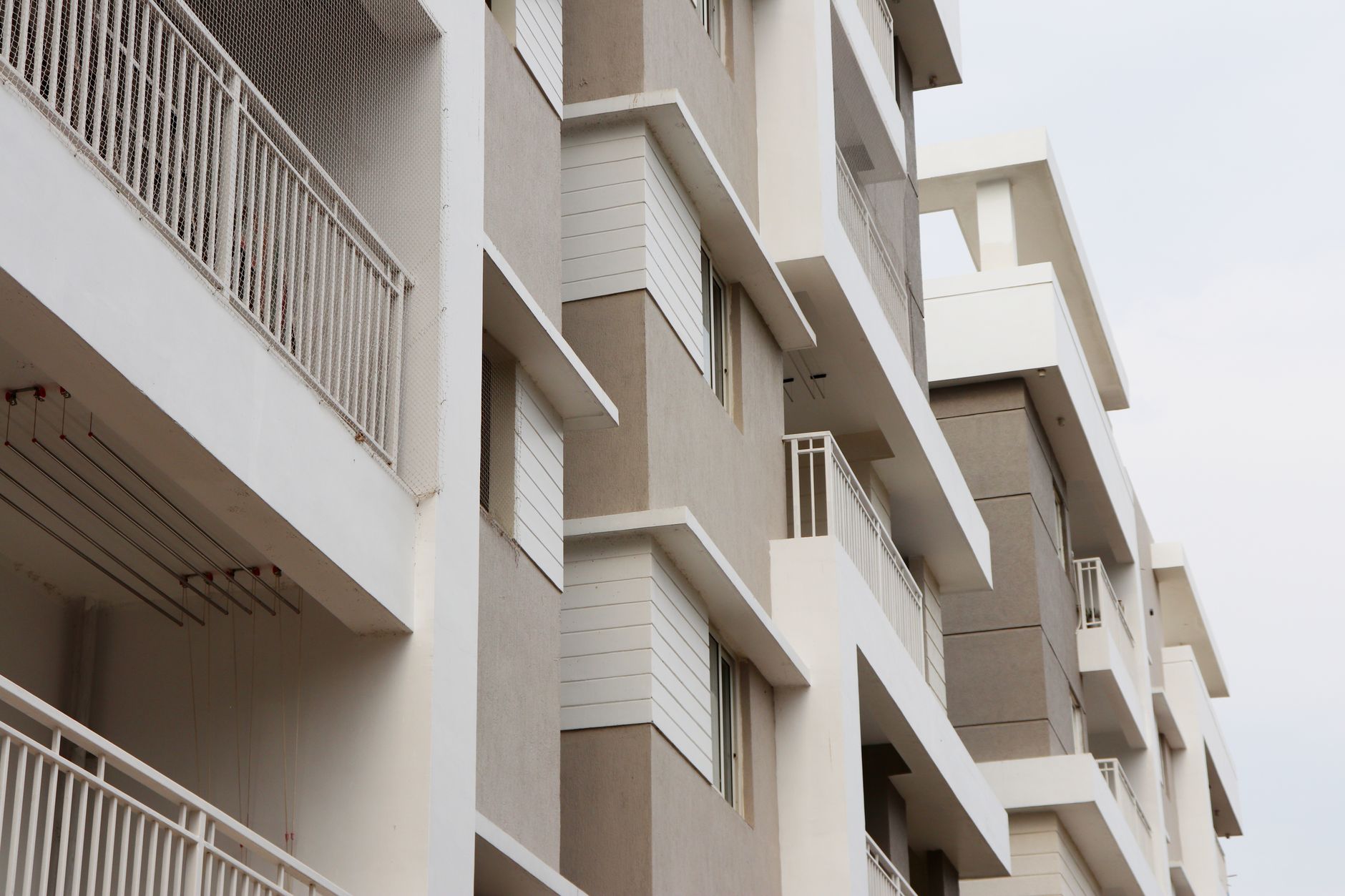
In the plots versus flats in Dholera debate, the market today is overwhelmingly plots, because residential towers are still early in a greenfield region. Plots offer lower entry, land ownership and flexibility, but they are illiquid and generate no income until developed. Flats offer a finished, usable, potentially rentable unit, but the supply is thin, prices carry construction and developer risk, and mature rental demand does not yet exist. Both require the same checks: RERA, N.A. status and clean title.
The plots versus flats in Dholera question has a clear present-day answer: the market is overwhelmingly plots, because Dholera SIR is an early-stage greenfield project where residential towers and a lived-in flat market are still nascent. Plots dominate what is available and what is transacted. That does not automatically make plots the better choice for every buyer; it means the flat option is thin and immature. This page compares the two honestly on cost, liquidity, holding, construction and risk, so you choose based on your horizon and appetite rather than on a sales pitch. Neither is presented as guaranteed to appreciate.
The core difference is simple. A plot is land you own and may build on later. A flat is a finished unit you can use or rent now. In a greenfield region, that difference decides almost everything about your experience as an owner.
Why is the Dholera market mostly plots today?
Because a greenfield city builds land parcels and trunk infrastructure before it fills with residential towers. Dholera SIR is developing its Activation Area, roughly 22.5 sq km inside TP2, with internal roads, utilities and the ABCD building housing the Integrated Command and Control Centre, while large-scale residential tower supply and an occupied flat market come later. So most of what buyers can actually purchase now is plotted land. This is normal for the stage Dholera is at, and it is why plot content dominates the market. For context on that stage, see the Activation Area explained.
How do plots and flats compare on cost?
Plots typically have a lower entry point than a finished flat of comparable standing, because you are buying land without construction, and you pay for building only if and when you develop. A flat bundles land share plus construction into one price, so the ticket is usually higher and includes developer margin. Any specific rupee figure for either is not officially sourced and only appears on broker listings, so treat quoted numbers cautiously and never as the price. What is durable is the direction: plots lower entry, flats higher but finished. For how plot prices are quoted, see Dholera plot prices.
Which is more liquid?
Neither is highly liquid in an early-stage greenfield region, but the reasons differ. Plots far from the built-up core can be slow to resell because the buyer pool is thin. Flats are scarce and their resale market is not yet mature, so liquidity is also limited. In a populated city a good flat usually sells faster than raw land, but Dholera is not yet that city. The honest position: plan for a long hold either way, and weigh this against the wider Dholera investment risks.
| Factor | Plot | Flat |
|---|---|---|
| Availability today | High, the dominant option | Thin, early-stage supply |
| Entry cost | Lower, land only | Higher, land plus construction |
| Income now | None until developed | Possible rent, but demand immature |
| Construction risk | You control if and when you build | Depends on developer delivery |
| Liquidity | Slow, thin buyer pool | Limited, resale market immature |
| Flexibility | High, hold or build later | Low, finished unit as-is |
| Key checks | RERA, N.A., 7/12 title | RERA, developer track record, title |
What about holding and maintenance?
A plot has low carrying cost while you hold it: no construction, minimal upkeep, mainly taxes and boundary security. A flat, once delivered, carries maintenance charges and the usual costs of an occupied or vacant unit, but it can potentially earn rent. The catch is that mature rental demand in Dholera does not yet exist at scale, so counting on rental income today is optimistic. See the rental yield reality before assuming a flat will pay for itself.
Whether you buy a plot or a flat, the verification is the same: confirm the live GUJRERA number, confirm N.A. status, and verify the title on the 7/12 extract. A flat does not exempt you from checking the land it sits on, and a developer reputation does not replace records.
Which suits construction and end use better?
A plot gives you full control over if, when and what you build, subject to the sanctioned scheme and building rules, which suits buyers who want flexibility or a future custom build. A flat gives you a ready unit with no construction effort, which suits buyers who want something usable without managing a build. In Dholera today, the plot path is the realistic one for most, simply because finished flats are scarce; the flat path suits the smaller set of buyers who find a well-delivered unit and value immediacy over flexibility.
How does risk differ between the two?
Plot risk is concentrated in title, N.A. status, location and illiquidity, all of which you can largely manage with verification and patience. Flat risk adds developer delivery risk, since you depend on the builder completing and handing over as promised, on top of the same title and location questions. In a young market, developer track record is harder to judge, which is a real consideration. Both share the base risks of an early-stage region, so neither is a safe harbour, and both require the discipline set out in the buying process and common mistakes guides.
So which should you choose?
Choose based on horizon and appetite. If you want the lower-entry, flexible, land-ownership route and can hold for years without income, a well-located, well-documented plot fits the current market. If you specifically want a finished, usable unit and find a credibly delivered flat, that path exists but the supply is thin and the rental market is immature. Whichever you pick, run the same checks and size your position for a long, uncertain horizon.
How does the development stage shape this choice?
The stage of the city is the hidden factor behind the whole comparison. Dholera is building trunk infrastructure and industrial anchors first: the Ahmedabad-Dholera Expressway is reported open, about 300 MW of solar is operational, the Tata Electronics fab is under construction, and Activation-Area utilities and the ABCD command centre are in place. A dense, occupied residential flat market with schools, shops and rental demand typically follows that industrial and infrastructure build-out, not the other way around. So today the plot is the instrument that matches the stage, while the flat is a bet on a residential ecosystem that is still forming. Understanding this sequence, covered in the current status, keeps your expectations realistic for either choice.
What does a plot buyer actually own and control?
A plot buyer owns land and controls timing. You decide whether and when to build, subject to the sanctioned scheme and building rules, which suits buyers who want to hold now and develop later, or who want a future custom build. The carrying cost while you hold is low: mainly property tax and basic upkeep, with no construction obligation. The trade-off is that the land produces no income until developed and can be slow to resell far from the built-up core. This control-and-flexibility profile is the main reason plots dominate early-stage buyer demand, and it is why a well-located, well-documented plot is the realistic default for most buyers today.
What does a flat buyer get and give up?
A flat buyer gets a finished, usable unit with no construction effort, and potentially a rentable asset, but gives up flexibility and takes on developer delivery risk. You depend on the builder completing and handing over as promised, which is harder to judge in a young market with limited track records. Once delivered, a flat carries maintenance charges whether occupied or vacant, and the rental income that might offset those costs depends on demand that is still immature in Dholera, as covered in the rental yield reality. For a buyer who specifically wants immediacy and a finished unit, and who finds a credibly delivered project, a flat can fit, but the supply is thin and the diligence on the developer is heavier.
If you can hold for years without income and want lower entry and flexibility, a plot fits the current market. If you want a finished, usable unit now and accept developer risk and a thin resale market, a flat is the exception path. Neither promises appreciation, and both need RERA, N.A. and title checks.
How do resale prospects differ between the two?
Resale prospects for both are shaped by the early stage, but the dynamics differ. A plot resale depends heavily on location and documentation: a well-located, clean-title plot that a future buyer can quickly verify is easier to sell than a distant, poorly documented one. A flat resale depends on the maturing of the residential market and the reputation of the project, which are still developing. In a mature city, a good flat usually sells faster than raw land, but Dholera is not yet that city, so neither offers quick, certain liquidity today. Keep complete records either way, because clean documentation is what makes any Dholera asset easier for the next buyer to trust.
Which is better for a non-resident buyer?
For a non-resident buyer the same logic applies, with the FEMA layer on top. Under FEMA an NRI or OCI can buy residential or commercial property, including a Non-Agricultural plot or a flat, but not agricultural land, so the parcel must be N.A. either way. A plot suits a non-resident who wants lower entry, flexibility and a long hold, while a flat suits one who wants a finished unit but must weigh developer delivery risk from a distance. Because non-residents often cannot inspect in person, the diligence and the choice of representative matter more, as set out in the NRI guide to buying in Dholera. The plot-versus-flat decision itself does not change; the compliance around it does.
How do carrying costs compare over a long hold?
Over a multi-year hold, the two options have very different cost profiles, and this often decides the choice. A plot carries low ongoing cost: mainly property tax, basic boundary security and minimal upkeep, with no construction obligation and no maintenance charges until you choose to build. A flat, once delivered, carries maintenance charges and the costs of an occupied or vacant unit continuously, whether or not it earns rent, and mature rental demand in Dholera is still immature, so counting on rent to offset those costs is optimistic today. Because Dholera is a long-dated project where holding periods are measured in years, these carrying costs compound. A buyer who plans to hold quietly and develop later often finds the low-cost plot easier to sustain than a flat with steady outgoings.
What questions decide the choice for you?
Let a few honest questions settle it. Can you hold for years without income? If yes, a plot low-carrying-cost profile fits. Do you want flexibility over if and when to build, or a finished unit now? Flexibility points to a plot; immediacy points to a flat. Can you judge and accept developer delivery risk in a young market with limited track records? If not, the flat path is harder. Do you value the lowest entry cost, or are you willing to pay more for a finished asset? These questions, answered truthfully, usually make the decision obvious, and they matter more than any price forecast, since no source guarantees appreciation for either type. Ground the choice in your horizon and appetite, not in a projection.
What checks apply no matter which you choose?
Whichever route you take, the core verification is identical and non-negotiable. Confirm the live GUJRERA registration on the portal. Confirm the land is Non-Agricultural, or sits inside a sanctioned TP scheme that confers N.A. treatment. Verify title on the 7/12 extract with a 30-year Encumbrance Certificate. For a flat, add a careful assessment of the developer track record and delivery, since you depend on completion. For a plot, add a location assessment against the Activation Area and the sanctioned layout. Then follow the same registration discipline, stamp duty of about 4.9% plus 1%, registration at Dhandhuka, and mutation, set out in the plot registration process and the broader buying process. A finished flat does not exempt you from checking the land beneath it.
Today, plots are the practical centre of the Dholera market and flats are the early exception. Compare them on cost, liquidity, holding, construction and risk rather than on marketing, verify RERA, N.A. and title either way, and let your own timeline decide. Neither option comes with a promise of gains, and any seller who says otherwise is selling, not informing.
Frequently asked questions
Are there more plots or flats in Dholera?
Overwhelmingly plots. Dholera SIR is an early-stage greenfield project where residential towers and an occupied flat market are still nascent, so most of what buyers can actually purchase is plotted land. Finished flats exist only in thin, early supply, which shapes the whole plots-versus-flats decision.
Is a plot or a flat cheaper in Dholera?
A plot typically has a lower entry cost because you buy land without construction and pay to build only later. A flat bundles land share plus construction and developer margin, so the ticket is usually higher but finished. Specific figures are not officially sourced and appear only on broker listings, so treat them cautiously.
Which is more liquid, a plot or a flat?
Neither is highly liquid in an early-stage greenfield region. Plots far from the built-up core resell slowly because the buyer pool is thin, and the flat resale market is not yet mature. Plan for a long hold either way, and weigh liquidity against the wider Dholera investment risks.
Can I rent out a flat in Dholera now?
You can try, but mature rental demand does not yet exist at scale in this early-stage region, so counting on rental income today is optimistic. A flat carries maintenance costs whether occupied or vacant. Review the rental yield reality before assuming a flat will pay for itself.
Do flats have different risks from plots?
Yes. Flats add developer delivery risk, since you depend on the builder completing and handing over as promised, on top of the title and location questions that plots also carry. In a young market, developer track record is harder to judge. Both share the base risks of an early-stage region.
Do I still need to check title if I buy a flat?
Yes. Whether you buy a plot or a flat, confirm the live GUJRERA number, confirm N.A. status, and verify the title on the 7/12 extract. A flat does not exempt you from checking the land it sits on, and a developer reputation does not replace the official records.
- DICDL (dholera.gujarat.gov.in)
- NICDC (nicdc.in)
- GUJRERA (gujrera.gujarat.gov.in)
- AnyROR Gujarat (7/12 records)
- MagicBricks and 99acres (indicative broker listings, Jul 2026)
The free Dholera First-Timer’s Checklist
Fifteen things to verify before you pay a rupee, in one printable PDF. Written for buyers, not brokers.