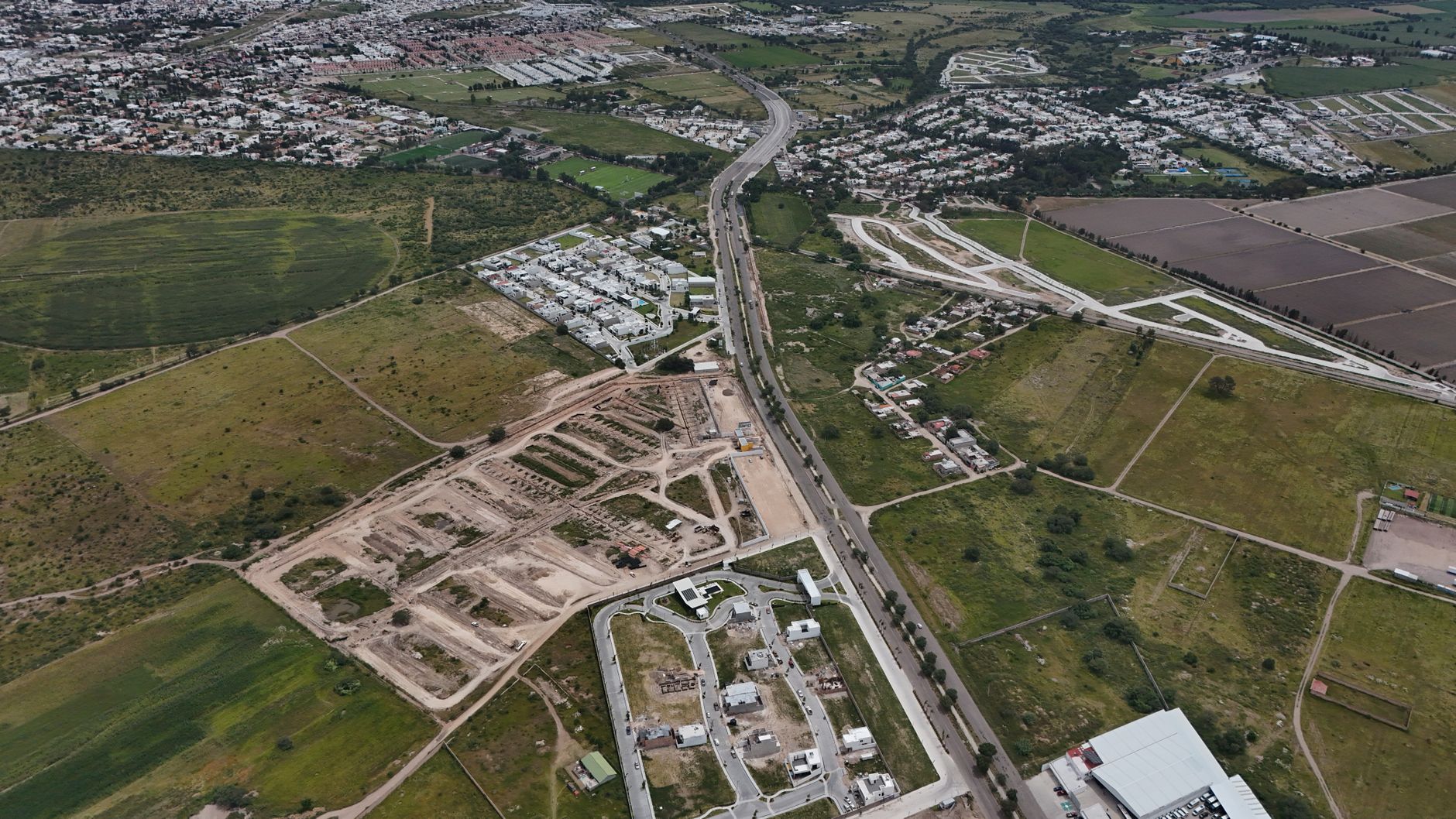
The most common mistakes buying in Dholera are: paying for agricultural land marketed as being in the SIR without any N.A. conversion; trusting a project with no live GUJRERA number; skipping title verification on the 7/12 extract; buying far from the Activation Area on future promises; believing glossy brochures over official records; and forgetting stamp duty of about 4.9% plus 1% in your budget. Each mistake has a simple fix: verify the record before you pay, every time.
The common mistakes buying in Dholera are predictable, repeatable, and almost entirely avoidable with document discipline. They cluster around six errors: buying unconverted agricultural land sold as being inside the SIR, dealing with non-RERA projects, skipping title checks, buying far from the built-up core, trusting brochures over records, and ignoring stamp duty and registration costs. Dholera SIR is a real, early-stage greenfield project, which is exactly why the marketing runs ahead of the ground reality and why buyers who rely on records instead of promises protect themselves.
This guide lists each mistake and its fix in plain terms. None of it requires special access. All of it requires refusing to pay until the paperwork checks out.
Mistake 1: Buying agricultural land sold as being in the SIR
This is the single most damaging error: paying for a parcel still recorded as agricultural, marketed as a smart-city plot inside the SIR, with no Non-Agricultural conversion. Building on unconverted agricultural land is illegal in Gujarat, and the plot cannot be used as promised. The fix is to demand the N.A. order and confirm it. Land inside an approved TP scheme is treated as N.A. by Gujarat rule, but you still verify the order and its effective date. Read N.A. conversion of agricultural land in Gujarat before you sign anything.
Mistake 2: Trusting a project with no GUJRERA number
Buyers often pay a booking amount to an unregistered project on the strength of a sales pitch. Under RERA 2016, plotted developments over about 500 sq m or more than 8 plots must register with GUJRERA (gujrera.gujarat.gov.in) before they can be marketed. The fix is to take the exact registration number and confirm it is live on the portal, not merely printed on a brochure. If there is no number, or the number does not resolve on the portal, walk away. Our Dholera RERA guide shows what a valid number looks like and how to read it.
Mistake 3: Skipping title verification
Some buyers never pull the 7/12 extract, never read the mother deed, and never obtain an Encumbrance Certificate. They assume the seller papers are enough. The fix is a full title search: pull the 7/12 on AnyROR Gujarat, read the mother deed, get a 30-year Encumbrance Certificate, check tax receipts, and confirm the owner name matches the seller. The complete method is in Dholera title verification. An unverified title is how buyers inherit a dispute they did not create.
Each error is the same act in a different costume: paying before verifying. Reverse the order. Verify the RERA number, the N.A. status, the title and the layout first, then pay. Marketing rewards speed; safe buying rewards patience.
Mistake 4: Buying far from the Activation Area
A plot can be legally clean and still be a field for years if it sits far from where anything is being built. The Activation Area, roughly 22.5 sq km inside TP2, is the plug-and-play demonstration zone where trunk infrastructure exists, and proximity to it, the expressway and the airport is a real value driver. The fix is to weigh location honestly and not confuse a low price far out with a bargain. See the Activation Area explained to understand what is actually developed today versus planned.
Mistake 5: Trusting brochures over records
Brochures show rendered skylines, promised metro lines and anchor companies. Records show who owns the land and whether it is legally buildable. The fix is to treat every brochure claim as a hypothesis to verify, not a fact. Announced projects are not committed capital: several large investments around Dholera are MoUs or announcements, not built assets. Ground your decision in the official record and the wider Dholera investment risks, not the sales deck.
Mistake 6: Ignoring stamp duty and total cost
Buyers frequently budget only the plot price and get surprised at registration. In Gujarat the effective stamp duty is 4.9% (3.5% basic plus 1.4% surcharge) and registration is 1%, so about 5.9% in government charges, before legal fees and brokerage. The fix is to build the full cost into your budget from the start. Details are in Dholera stamp duty and registration.
What do these mistakes look like side by side?
| Mistake | Consequence | The fix |
|---|---|---|
| Agri land sold as SIR plot, no N.A. | Cannot legally build or use as promised | Demand and verify the N.A. order |
| No GUJRERA number | No regulatory protection or recourse | Confirm live number on the portal |
| No title verification | Inherit disputes, liens or wrong owner | 7/12, mother deed, 30-year EC |
| Far from Activation Area | Illiquid, undeveloped for years | Weigh location, not just price |
| Brochure over records | Buying a story, not an asset | Verify every claim in records |
| Ignoring stamp duty | Budget shock at registration | Add about 5.9% government charges |
Are there any bonus mistakes worth naming?
Yes. Paying in cash outside banking channels, which erases your proof and creates tax exposure. Relying only on the seller lawyer, whose job is to close the deal. Not registering the sale deed and thinking an agreement is enough. And skipping mutation after registration, which leaves the revenue record in the old owner name. Each of these connects back to doing the full buying process properly, in order, with your own advisers.
Mistake 7: Believing assured-return and appreciation promises
A frequent and expensive error is trusting a seller who promises guaranteed appreciation, assured returns, or a specific percentage gain in a fixed time. No government source guarantees appreciation in Dholera, and such promises are marketing, not fact. The honest record is mixed: land acquisition was litigated, with a Gujarat High Court stay in 2015, and Business Standard reported in 2017 that only about 290 of the 900-plus sq km was then secured. The fix is to treat any assured-return claim as a red flag that should slow you down, not speed you up. Read the price growth and appreciation reality and decide with your own numbers, not the seller optimism.
Mistake 8: Paying in cash and skipping banking channels
Some buyers pay large amounts in cash to hold a plot or to please a seller, which erases their proof of payment and creates tax exposure. The fix is simple: route every rupee through banking channels so you have a clean, verifiable trail, and never make a large cash advance to lock a price. This also matters for resale and, for non-resident buyers, for future repatriation. A documented payment trail is one of the cheapest protections you have, and cash outside banking channels quietly removes it.
Mistake 9: Not registering the deed or skipping mutation
Buyers sometimes stop at an agreement to sale, a notarised paper, or a general power of attorney sale, believing they own the plot. They do not. Only a registered sale deed transfers legal title, and only mutation updates the revenue record to show your name. The fix is to complete both: register the sale deed at the Dhandhuka Sub-Registrar with biometrics, then promptly apply for Khata or mutation. Skipping either leaves you exposed and creates a paperwork gap that resurfaces painfully at resale or inheritance. The full sequence is in the plot registration process.
Mistake 10: Relying only on the seller lawyer or agent
Trusting the seller lawyer or the broker to protect you is a structural error, because their job is to close the sale, not to safeguard your interests. The fix is to engage your own independent lawyer to read the 7/12, the mother deed, the Encumbrance Certificate and the N.A. order, and to vet the agreement to sale. An independent legal review is the cheapest insurance in the entire transaction, and it routinely catches issues a buyer would never spot alone. Pay for your own eyes on the paperwork.
How do you build a simple anti-mistake routine?
Turn the fixes into a fixed routine you run every time, so no single mistake slips through. Before any money moves, confirm the live GUJRERA number on the portal, confirm N.A. status or sanctioned TP-scheme status, verify title on the 7/12 with a 30-year Encumbrance Certificate, match the plot number to the sanctioned DSIRDA layout, and check the plot location against the built-up core. Before you sign, have your own lawyer vet the agreement. Before you pay, confirm the payment routes through banking channels and the schedule is tied to registration. After registration, complete mutation and file every document. A routine removes the emotion that sellers exploit.
Why do these mistakes keep happening?
They persist because the marketing runs ahead of the ground reality in an early-stage greenfield region, and because urgency is manufactured to push buyers past their own caution. Renderings show a finished skyline that does not exist yet, announced projects are presented as committed capital when many are only MoUs, and buyers are told a price will vanish tomorrow. The antidote is unglamorous but reliable: slow down, verify at source, and refuse to pay until the records check out. Every experienced Dholera buyer has learned the same lesson, that patience and documents beat excitement and brochures.
How do sellers manufacture urgency, and how do you resist it?
Manufactured urgency is the engine behind most mistakes, so learn to spot it. The tactics are familiar: only a few plots left, the price rises next week, another buyer is ready to pay, book today to lock this rate. The purpose is always the same, to push you past verification and into a payment before you have checked the records. The resistance is equally simple: treat any deadline as a reason to slow down, not speed up. A genuinely clean plot with clear title and a live RERA number does not evaporate because you took a week to verify it. If a seller will not allow you time to pull the 7/12, obtain the Encumbrance Certificate and have your lawyer read the papers, that refusal tells you what you need to know. Patience is not indecision; it is diligence.
What does a safe transaction timeline look like?
A safe timeline puts verification before money at every stage. First, shortlist and confirm the live GUJRERA number. Second, verify title on the 7/12 and obtain a 30-year Encumbrance Certificate. Third, confirm N.A. status and the sanctioned TP-scheme layout match. Fourth, have your own lawyer draft or vet the agreement to sale, with clauses that make the deal conditional on clean title, N.A. status and live registration. Fifth, pay a modest token through banking channels, with the balance at registration. Sixth, register the sale deed at Dhandhuka. Seventh, complete mutation. Rushing collapses these steps into a single trusting payment, which is exactly where mistakes live. Following the full buying process in order is the structural fix for almost every error on this page.
How do you vet the seller and the agent?
Vetting the people is as important as vetting the paper. Confirm the seller is the recorded owner on the 7/12, not merely someone claiming to represent the owner, and that any co-owners or heirs are party to the sale. Ask how the seller acquired the land and check that answer against the mother deed and mutation history. For agents, confirm whether the project and, where required, the agent are RERA-registered, and remember the agent works to close the sale, not to protect you. Never rely on the seller lawyer alone. Engaging your own independent lawyer to verify title, N.A. status and registration is the single cheapest protection against a bad seller or an aggressive intermediary, and it is the habit that separates careful buyers from those who learn the hard way.
How do location mistakes compound over time?
A location mistake is quiet at purchase and loud at exit. Buying far from the Activation Area, the roughly 22.5 sq km built-up demonstration zone inside TP2, or away from the expressway and the central spine, often looks like a bargain because the headline price is lower. But over a long hold that same distance can mean the plot stays an undeveloped field with a thin buyer pool, so when you try to sell, the discount you enjoyed at entry becomes a penalty at exit. The fix is to weigh proximity to genuinely developed infrastructure as heavily as price, and to remember that a cheap far-out plot and a well-located plot are not the same asset. Read the Activation Area explained before deciding that a distant plot low price is a deal, because location mistakes are among the hardest to reverse.
Dholera rewards the patient and punishes the rushed. Every common mistake is a version of paying before verifying, and every fix is the same: confirm the RERA number, the N.A. status, the title and the layout, budget the full cost, and register properly. Do that and most of the horror stories simply cannot happen to you.
Frequently asked questions
What is the most dangerous mistake when buying in Dholera?
Paying for agricultural land marketed as being inside the SIR with no Non-Agricultural conversion. Building on unconverted agricultural land is illegal in Gujarat and the plot cannot be used as promised. Always demand and verify the N.A. order and its effective date before you sign or pay.
How do I avoid buying a non-RERA project?
Take the exact GUJRERA registration number and confirm it is live on gujrera.gujarat.gov.in, not just printed on a brochure. Plotted developments over about 500 sq m or more than 8 plots must be registered before marketing. No number, or a number that does not resolve, means walk away.
Does location really matter that much in Dholera?
Yes. A legally clean plot far from the roughly 22.5 sq km Activation Area can stay undeveloped and illiquid for years. Proximity to the Activation Area, the expressway and the airport is a genuine value driver, so weigh location honestly rather than treating a cheap far-out plot as a bargain.
How much should I budget beyond the plot price?
Budget about 5.9% in government charges: effective stamp duty of 4.9% (3.5% basic plus 1.4% surcharge) and 1% registration, plus independent legal fees and any brokerage. Building these into your plan from the start avoids a budget shock at the registration stage.
Is it safe to pay in cash to hold a plot?
No. Pay through banking channels so you keep clear proof of payment and avoid tax exposure. Cash outside banking channels erases your evidence and creates risk. Also never rely only on the seller lawyer, and always register the sale deed rather than treating an agreement as enough.
What single habit prevents most Dholera mistakes?
Verify before you pay, every time. Confirm the live RERA number, the N.A. status, the clean title on the 7/12, and that the plot number matches the sanctioned DSIRDA layout. Marketing rewards speed, but safe buying rewards patience and document discipline.
- GUJRERA (gujrera.gujarat.gov.in)
- DSIRDA (dholera.gujarat.gov.in)
- AnyROR Gujarat (7/12 records)
- DICDL (dholera.gujarat.gov.in)
- Gujarat Registration and Stamp Duty department
- Business Standard (DMIC reporting, 2017)
The free Dholera First-Timer’s Checklist
Fifteen things to verify before you pay a rupee, in one printable PDF. Written for buyers, not brokers.