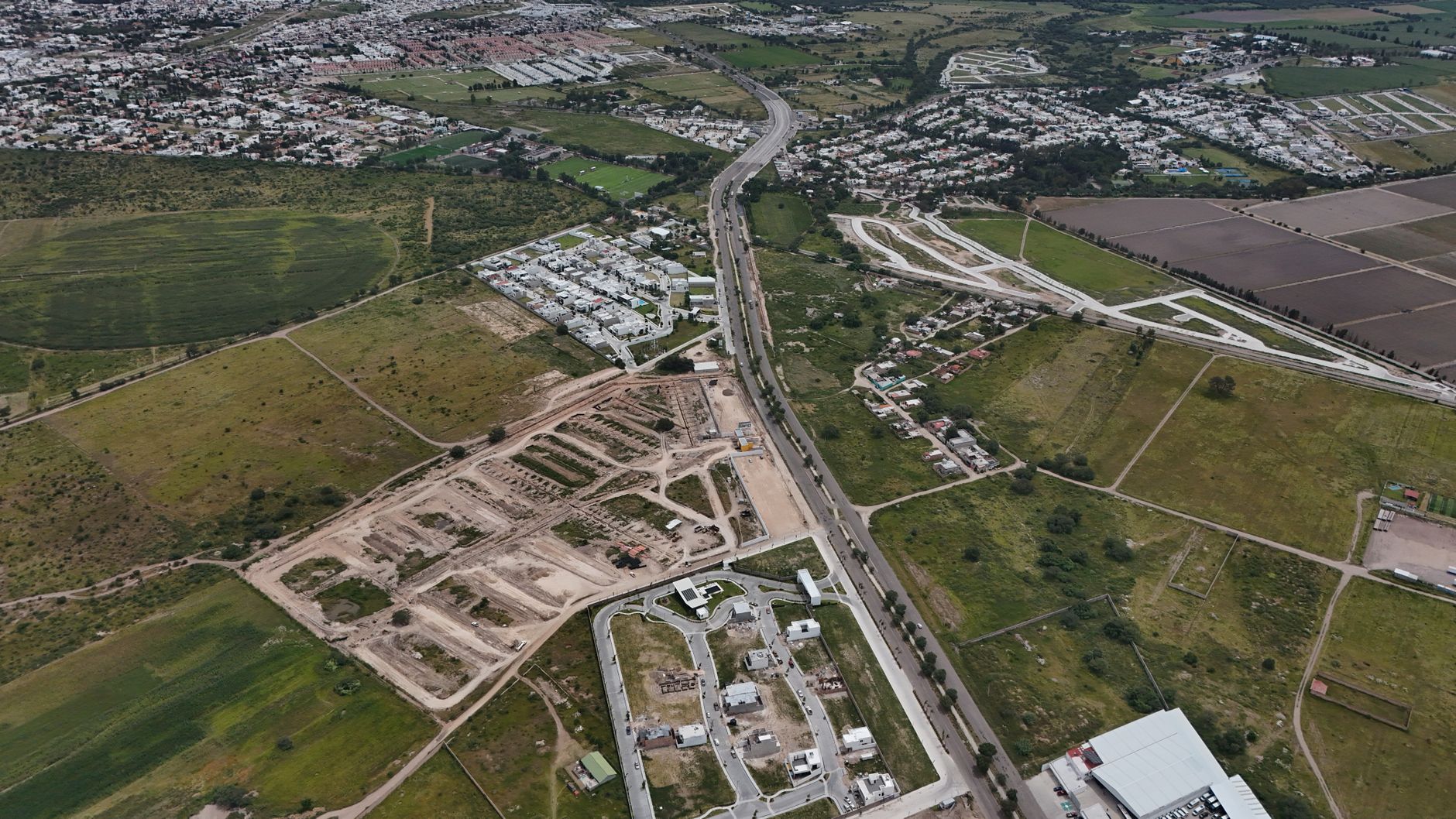
Any Dholera land price per bigha figure needs a heavy caveat: bigha is not standardized in Gujarat. It is commonly taken as about 2,500 sq yards, roughly half an acre, but it varies by region, so always confirm locally. There is no official per-bigha price. If you apply the indicative, unverified broker range of about Rs 6,000 to 12,000 per sq yard to a 2,500 sq yard bigha, it implies very large per-bigha numbers, but per-bigha quotes for raw land mislead because raw and developed land are priced on different bases. Get a written, plot-specific quote.
The phrase Dholera land price per bigha sounds precise, but it hides a trap: a bigha is not a standardized unit in Gujarat. It is commonly treated as about 2,500 sq yards, roughly half an acre, yet the exact size varies by region, so a per-bigha number means nothing until you confirm what a bigha equals in that specific area. On top of that, there is no official per-bigha price for Dholera at all. Every rupee-per-bigha figure in circulation comes from brokers and aggregators, not from any authority, and should be read as indicative, broker-sourced, unverified and not an official price.
This page converts the bigha into units you can actually reason with, explains why per-bigha quotes are the easiest way to be misled, and shows how to turn a vague per-bigha rate into a real, written, plot-specific price. If you want the per-sq-yard version of the pricing question, start with Dholera plot prices.
What is a bigha in Gujarat, and how big is it?
A bigha in Gujarat is commonly about 2,500 sq yards, or roughly half an acre, but it is not a standardized unit and varies by region, so you must confirm the local value before trusting any per-bigha number. This is the single most important fact on this page. Unlike an acre or a square yard, which are fixed, a bigha can differ from one part of Gujarat to another, which makes per-bigha pricing inherently slippery.
Using the common convention, the conversions below let you translate a bigha into fixed units. Once you convert to square yards or square feet, you are on solid ground, because those units do not shift.
| Unit | Equivalent | Note |
|---|---|---|
| 1 bigha (Gujarat, common) | about 2,500 sq yards | Not standardized, confirm locally |
| 1 bigha | about 22,500 sq ft | 2,500 sq yd times 9 |
| 1 bigha | about 0.52 acre | roughly half an acre |
| 1 acre | 4,840 sq yd = 43,560 sq ft | Fixed |
| 1 sq yard | 9 sq ft | Fixed |
| 1 hectare | 2.471 acres = 10,000 sq m | Fixed |
For the full set of Gujarat land unit conversions, including vigha and guntha, see Gujarat land units. Getting these conversions right is the foundation for judging any per-bigha quote.
What is the Dholera land price per bigha in 2026?
There is no official Dholera land price per bigha in 2026. No government source publishes one. If you insist on a per-bigha figure, the only defensible way to derive one is to take the indicative broker range and convert it, while flagging heavily that this is unverified and that raw land does not actually trade this way. Broker and aggregator listings quote developed residential plots at about Rs 6,000 to 12,000 per sq yard as of July 2026. Applied mechanically to a 2,500 sq yard bigha, that implies a very large per-bigha number, running into crores, purely as arithmetic.
The Rs 6,000 to 12,000 per sq yard range describes developed, often Non-Agricultural, RERA-registered plots. Raw agricultural land, which is what people usually quote per bigha, is priced on a different, lower basis and may need Non-Agricultural conversion before it can be built on. So multiplying a developed-plot per-sq-yard rate across a full bigha does not give you the price of a raw bigha. Treat any per-bigha figure as a rough, unverified indicator and insist on a written, plot-specific quote.
Why do per-bigha quotes mislead buyers?
Per-bigha quotes mislead for three compounding reasons. First, the unit itself is not standardized, so a bigha in one area is not the same size as a bigha in another. Second, the per-bigha framing is most often used for raw or agricultural land, which trades far cheaper per unit than developed plots but may carry legal work, Non-Agricultural conversion and years of waiting before it is usable. Third, a big-looking bigha price or a cheap-looking one can both be manipulated by choosing which bigha size and which land category to imply.
The result is that two people can quote wildly different per-bigha numbers and both sound credible, because they are silently describing different units and different land. This is why serious buyers convert everything to fixed units and price the specific plot, not the bigha. For the conversion step and the agricultural angle, see Non-Agricultural conversion of agricultural land in Gujarat.
How do you convert a per-bigha quote into a real comparison?
You convert a per-bigha quote by reducing it to a per-sq-yard or per-sq-ft rate on the confirmed local bigha size, then comparing it against documented figures for the same category of land. The steps are simple:
- Confirm the local bigha size in square yards for that exact area, since it is not standardized.
- Divide the per-bigha price by that number of square yards to get a per-sq-yard rate.
- Check whether the land is raw agricultural or developed and Non-Agricultural, because you can only compare like with like.
- Compare the resulting per-sq-yard rate against the indicative broker range only as a loose sanity check, remembering it is unverified.
This conversion discipline is what stops a per-bigha number from doing your thinking for you. Once everything is in fixed units and the same land category, comparisons become honest.
What drives the value behind any per-bigha figure?
The same documented drivers that set plot value set the value behind a per-bigha figure: proximity to the Activation Area, TP-scheme status and Final Plot allotment, Non-Agricultural status, and closeness to the expressway, airport, central spine road and rail. A bigha of raw land far from the Activation Area with no approved scheme is a very different asset from a bigha inside an approved TP scheme with N.A. status near the built core, even if both are quoted per bigha.
None of these drivers guarantees appreciation, and no government source promises it. They explain relative value today, not future value. For how value might or might not grow over time, and why assured-return pitches are marketing rather than fact, read Dholera price growth.
How does a bigha relate to acre and hectare for larger parcels?
For larger parcels, most buyers switch from bigha to acre or hectare, because those units are fixed and translate cleanly into international and legal contexts. One acre equals 4,840 sq yards or 43,560 sq ft, and one hectare equals 2.471 acres or 10,000 sq metres. Using the common 2,500 sq yard bigha, a bigha is about 0.52 acre, so roughly two bighas make an acre. A hectare, at about 2.471 acres, works out to roughly 4.75 such bighas.
These relationships matter when a seller quotes a big agricultural parcel in bighas but the legal paperwork, or a bank valuation, expresses it in acres or hectares. Converting to a fixed unit first prevents the size of a parcel from being quietly overstated or understated. A worked example makes it concrete: a parcel described as four bighas, on the common convention, is about 10,000 sq yards, about 90,000 sq ft, or roughly 2.07 acres. If a listing calls the same parcel three acres, that discrepancy is a red flag worth chasing down before any money changes hands.
What is a worked per-bigha to per-plot example?
Consider a fully illustrative example, using only the unverified broker range to show the arithmetic, not to state a price. Suppose a developed, Non-Agricultural plot is quoted at Rs 8,000 per sq yard, a figure sitting inside the indicative Rs 6,000 to 12,000 range. On a 2,500 sq yard bigha, the mechanical per-bigha figure would be Rs 2 crore. That number looks dramatic, which is exactly the point: per-bigha figures inflate the headline because a bigha is a large unit. The same Rs 8,000 per sq yard is far easier to sanity-check than a Rs 2 crore per-bigha sticker.
Now flip it. If a seller quotes raw agricultural land at a per-bigha rate that, divided by 2,500, implies only a few hundred rupees per sq yard, that low figure is not necessarily a bargain either, because it may reflect land that is not yet Non-Agricultural, not inside an approved TP scheme, and far from the Activation Area. The lesson from both directions is identical: reduce every per-bigha number to a per-sq-yard rate, identify the land category, and only then judge whether it is reasonable. The per-bigha headline, high or low, is the least trustworthy form of the number.
What are common mistakes with per-bigha buying in Dholera?
The common mistakes cluster around treating an unstandardized unit as if it were fixed, and treating raw land as if it were ready. Avoid these specific errors:
- Assuming a bigha is a universal size rather than confirming the local value for that exact area.
- Comparing a raw-land per-bigha rate directly against a developed-plot per-sq-yard rate, which mixes two different products.
- Ignoring whether Non-Agricultural conversion is done, since construction is not legal on agricultural land until it is converted, and land inside an approved TP scheme is treated as N.A. by Gujarat rule, which you should verify for the effective date.
- Overlooking distance from the Activation Area, a real value driver that a big per-bigha number can mask.
- Paying against a verbal per-bigha rate instead of a written, plot-specific quote tied to a survey or Final Plot number.
Each mistake shares a root cause: letting a convenient but slippery unit substitute for verification of the actual plot. The fix is always the same, convert to fixed units and check the plot's legal status.
Does a per-bigha price predict future value?
No per-bigha price predicts future value, and no one can honestly promise appreciation on a bigha of Dholera land. There is a genuine case that documented anchors, the operational expressway and Activation Area proximity could support demand for well-located, legally clean land, and an equally genuine case built on timeline slippage, illiquidity and the large share of land in the Coastal Regulation Zone. A per-bigha quote captures none of that. It is a snapshot of one seller's asking figure for one parcel, filtered through an unstandardized unit.
Treat the per-bigha number as what it is: a rough size-and-price shorthand, not a forecast. Buy on documented fundamentals you can verify today at a written, checked quote, and keep any promised future per-bigha value firmly in the marketing column rather than the fact column.
How do you get a real, written per-plot price instead of a per-bigha rumour?
You get a real number by asking for a written, plot-specific quote and verifying it, exactly as you would for any Dholera plot. Insist that the quote names the survey or Final Plot number, the confirmed area in fixed units, the TP scheme and the legal status. Then verify the RERA registration on the GUJRERA portal before paying, cross-check the title and 7/12 extract, and treat the official land-pricing policy at dholera.gujarat.gov.in/land_pricing as your reference point rather than a broker's per-bigha rate.
Deeds register at the Dhandhuka Sub-Registrar, since Dholera villages fall under Ahmedabad district, Dhandhuka taluka. Budget the government charges on top, effective stamp duty of 4.9% plus 1% registration, detailed on our Dholera stamp duty and registration page. And before committing to any land at any per-unit rate, weigh the balanced case on is Dholera safe to invest.
How do you confirm the local bigha size?
Confirm the local bigha size directly from the land record for that specific area rather than from a broker's assurance. The 7/12 extract and the official survey records express parcel areas in fixed units, so comparing the stated bigha count against the recorded square-metre or square-yard area tells you exactly what a bigha means there. Gujarat land records are accessible through AnyROR, and the deed and mutation paperwork at the Dhandhuka Sub-Registrar will reference the surveyed area. When the recorded fixed-unit area and the claimed bigha count do not reconcile, treat that as a signal to slow down and verify before proceeding.
What is the safe way to use a per-bigha number?
The safe way is to treat a per-bigha number as a conversation starter, never a price. Convert it to fixed units, confirm the land category, verify the legal status, and replace it as fast as possible with a written, checked quote for one specific plot. A bigha is a useful shorthand for talking about land size in Gujarat, but it is a poor unit for pricing precisely because it is not standardized and because it is so often attached to raw land dressed up as ready-to-build.
Approach it that way and the per-bigha question stops being a source of confusion and becomes a simple checklist item: what is the local bigha size, what category is the land, what does it convert to per square yard, and can you verify the plot. Answer those, and no per-bigha rumour can push you into a bad number.
Frequently asked questions
How many square yards is one bigha in Gujarat?
A bigha in Gujarat is commonly about 2,500 sq yards, roughly half an acre or about 22,500 sq ft. But bigha is not standardized and varies by region, so you must confirm the local value before using any per-bigha figure. Once you convert to square yards or square feet, the unit becomes fixed and reliable.
What is the price of land per bigha in Dholera?
There is no official per-bigha price. Any figure comes from brokers and is indicative, unverified and not an official price. Deriving one from the broker range of about Rs 6,000 to 12,000 per sq yard on a 2,500 sq yard bigha implies a large per-bigha number, but that is misleading because raw land is priced differently from developed plots.
Why are per-bigha land quotes misleading in Dholera?
Because bigha is not standardized, so sizes differ by area, and because per-bigha framing usually describes raw agricultural land that trades cheaper per unit but may need Non-Agricultural conversion and years before it is usable. Two credible-sounding per-bigha quotes can describe different units and different land categories entirely.
How do I convert a per-bigha price to per square yard?
Confirm the local bigha size in square yards, then divide the per-bigha price by that number. Using the common 2,500 sq yard bigha, a per-bigha price divided by 2,500 gives the per-sq-yard rate. Then check whether the land is raw agricultural or developed, since you can only compare like with like.
Is raw agricultural land in Dholera cheaper per bigha?
Raw agricultural land is usually quoted at a lower per-unit price than developed plots, but that lower number can be deceptive. It may require Non-Agricultural conversion before construction is legal, may sit outside any approved TP scheme, and may be far from infrastructure. A cheap per-bigha rate on unusable land is not a real discount.
- DSIRDA and DICDL (dholera.gujarat.gov.in)
- Official land-pricing policy (dholera.gujarat.gov.in/land_pricing)
- GUJRERA (gujrera.gujarat.gov.in)
- AnyROR Gujarat (7/12 land records)
- Aggregator listings (MagicBricks, 99acres), July 2026
- Gujarat Revenue Department (land units and N.A. rules)
The free Dholera First-Timer’s Checklist
Fifteen things to verify before you pay a rupee, in one printable PDF. Written for buyers, not brokers.